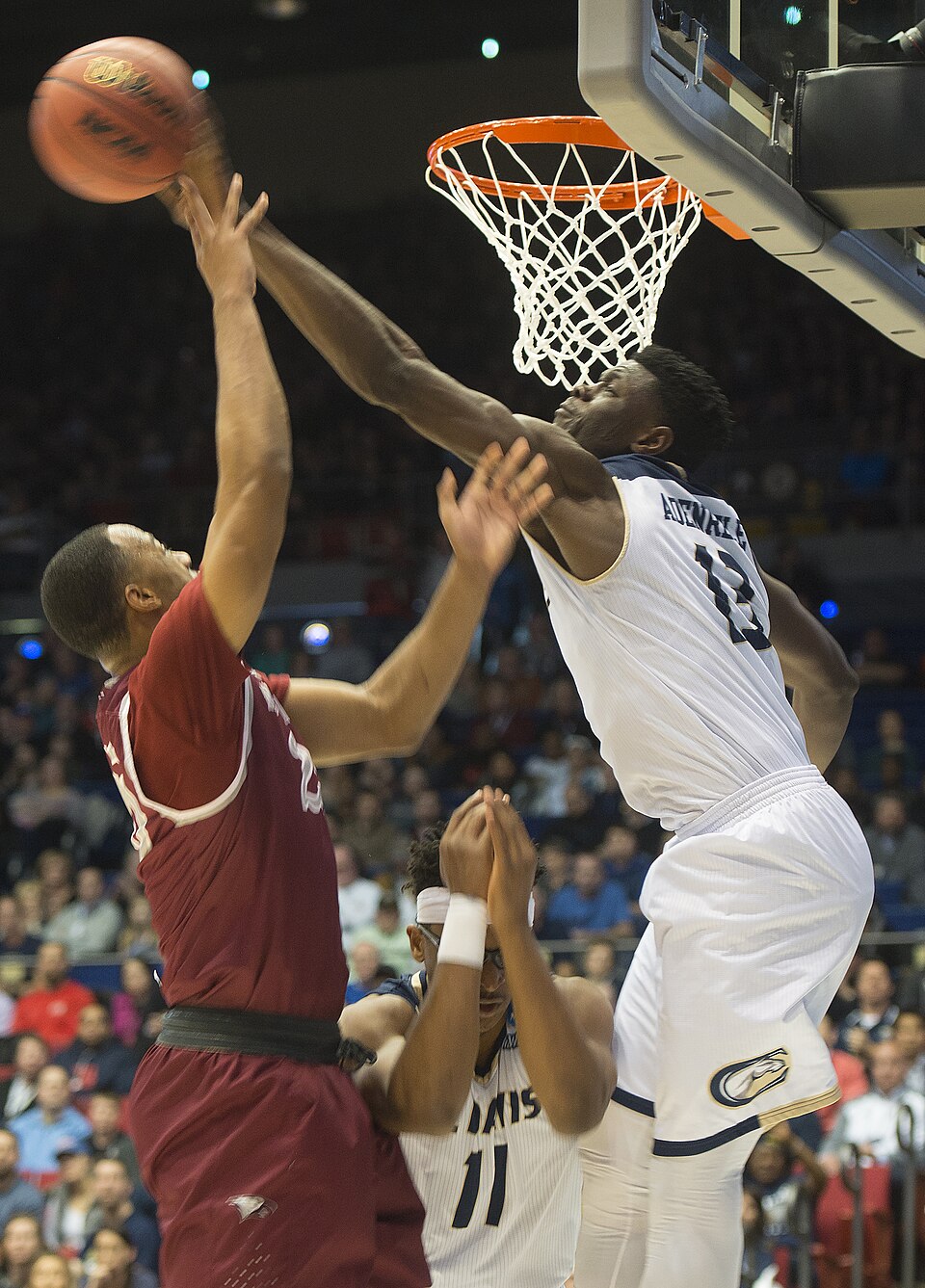
The NCAA First Four: Where March Madness Truly Ignites
As winter's chill gives way to spring, sports fans worldwide turn their attention to one of the most exhilarating events in athletics: March Madness. The NCAA Men's and Women's Division I Basketball Tournaments are legendary for their upsets, buzzer-beaters, and the sheer unpredictability that defines a single-elimination bracket. But before the iconic 64-team bracket truly begins, there's a crucial, often overlooked, and incredibly exciting precursor: the First Four Games. Far from being mere warm-up acts, these play-in contests are the authentic curtain-raiser, offering high-stakes drama and a taste of the madness to come.
The First Four, an integral part of the tournament's modern structure, brings eight teams together in a battle for the final four coveted spots in the main draw. It's a stage where dreams are realized, and March Madness stories kick off, often for programs making their tournament debut or seeking that elusive first-ever NCAA victory. For fans and analysts alike, understanding the history, format, and significance of these games is key to fully appreciating the grandeur of the NCAA Tournament.
A Journey Through Time: The Evolution of the First Four Games
The concept of a play-in game wasn't always a staple of March Madness. Its origins trace back to a specific expansion of the men's tournament in the early 2000s. In 1999, the Mountain West Conference was formed, and by 2001, its champion earned an automatic bid to the men's tournament. This raised the number of automatic qualifiers to 31. Unlike the women's tournament, which adjusted by reducing an at-large bid to maintain a 64-team field, the men's tournament organizers chose to preserve the existing 34 at-large entries. This decision effectively expanded the tournament to 65 teams, creating an odd number that necessitated a solution to fit a traditional 64-team bracket for the first round.
The answer was the "Opening Round" game, introduced in 2001. This single play-in contest pitted the two lowest-seeded automatic qualifying teams against each other. The winner earned the right to join the 64-team bracket, ensuring the tournament proper could proceed as planned. This initial experiment laid the groundwork for what would become a much larger spectacle.
The true expansion to the current format occurred in 2011, when the NCAA Men's Tournament grew to 68 teams. This change led to the expansion of the opening round from one game to four. Initially, these contests were confusingly referred to as "first-round games," pushing the traditional Round of 64 into the "second round." However, recognizing the colloquialism already embraced by fans and media, the NCAA officially rebranded these four opening contests as the "First Four" in 2016. This brilliant marketing move drew a clear parallel to the tournament's iconic "Final Four" and re-established the Round of 64 as the official "First Round." For a deeper dive into this fascinating progression, you can explore First Four Explained: The Evolution of March Madness Play-In.
Historically, with the exception of the unique 2021 tournament held entirely in Indiana due to the pandemic, all men's Opening Round and First Four Games have been played at the University of Dayton Arena in Dayton, Ohio. This venue has become synonymous with the tournament's opening acts, offering a unique atmosphere for these do-or-die matchups. The significance of the First Four continued to grow, eventually extending to the Division I women's tournament for the first time in 2022, mirroring the men's 68-team format and adding another layer of excitement to women's college basketball.
Decoding the First Four Bracket: Teams and Matchups
The First Four brings together eight teams vying for the final four slots in the 64-team main bracket. These eight teams are selected based on two distinct criteria, leading to two different types of matchups:
- Automatic Qualifiers Battle: Two games are contested between the four lowest-ranked conference champions. These teams typically hail from smaller conferences and earned their bid by winning their league tournaments, often against long odds. For many of these programs, this represents a monumental achievement, and a First Four victory can be their first-ever NCAA Tournament win.
- At-Large Contenders Clash: The other two games feature the four lowest-seeded "at-large" teams. These are teams that didn't win their conference tournaments but were deemed worthy of an NCAA berth by the selection committee based on their regular-season performance and strength of schedule. For these teams, the First Four is a sudden-death playoff to prove they belong in the main field, a chance to shed the label of being "on the bubble."
So, on Selection Sunday, when the full 68-team bracket is revealed, the "lucky eight" teams destined for Dayton are identified. These teams aren't necessarily the weakest in the tournament; rather, they are the ones who face an immediate, intense challenge right out of the gate. For fans crafting their brackets, understanding how these games impact the larger field is crucial. A team winning a First Four game carries that momentum (and often fatigue) into their next matchup against a higher-seeded opponent, sometimes leading to early upsets.
Why the First Four Games Matter: Beyond Just a Play-In
While some might view the First Four Games as mere preliminary contests, their impact and importance are undeniable. These games are a microcosm of March Madness itself, delivering high-stakes action and unforgettable moments right from the very beginning. Here's why they resonate so deeply:
- Instant Drama and Excitement: From the moment the ball tips off, every possession is critical. These are winner-take-all games where a season's worth of work can hinge on a single shot or defensive stop. This creates an immediate level of intensity that perfectly sets the tone for the rest of the tournament.
- Cinderella Stories Start Here: For many smaller programs, a trip to the First Four is their first taste of the national spotlight. A victory here can be historic, propelling them into the main bracket where they can potentially become the next great Cinderella story. These games often represent a program's first March Madness win, marking a significant milestone.
- Showcasing Emerging Talent: The First Four provides an early platform for lesser-known players to shine on a national stage. Their performances can elevate their profiles and create buzz before the majority of the country even fills out a bracket.
- The Heart of March Madness: These games embody the spirit of the NCAA Tournament – every team, regardless of their path, has a chance. The First Four offers extended opportunities, celebrating competitive basketball and expanding the field to be more inclusive. For more on the deep significance, check out March Madness First Four: Why These Play-In Games Matter.
The historical data also tells a compelling story. Teams like Florida A&M (2004, 2007) and Winthrop (2001, 2010) are notable for their repeat appearances, showcasing the cyclical nature of smaller conference success. The 2003 Opening Round game stands out as the only one to go into overtime, a testament to the nail-biting finishes these contests often provide.
Practical Insights for Fans and Bracketologists
For any true March Madness aficionado, the First Four is not to be missed. Here’s what you need to know to fully engage:
- When to Watch: The men's First Four typically tips off on the Tuesday evening following Selection Sunday, carrying into Wednesday. The women's tournament follows a similar schedule, usually a day or two later. These games are broadcast nationally on major sports networks, and streaming options are readily available.
- The Dayton Experience: If you're looking for an authentic, intimate March Madness experience, attending the First Four Games in Dayton is unparalleled. The University of Dayton Arena provides an electric atmosphere, often packed with passionate local fans and supporters of the competing teams.
- Bracket Strategy: Don't underestimate the winners of the First Four. While they face a quick turnaround, the momentum and confidence gained from a victory can be powerful. Some bracketologists even consider picking a First Four winner to pull an upset in the Round of 64, especially if they face a higher seed that might be prone to underestimating them. It adds an exciting layer of unpredictability to your bracket pool.
- Prop Betting and Daily Fantasy: For those who enjoy sports betting or daily fantasy sports, the First Four offers some of the first opportunities to get in on the action. Researching these lesser-known teams and their key players can yield valuable insights.
The First Four has proven itself to be a vibrant, indispensable component of the NCAA Tournament, serving as an exciting appetizer before the main course. It amplifies the drama, celebrates more teams, and ensures that March Madness truly starts with a bang.
Conclusion: The Unmissable Beginning of March Madness
The First Four Games are more than just play-in contests; they are the true genesis of March Madness. From their humble beginnings as a single "Opening Round" game to the current four-game spectacle for both men's and women's tournaments, these matchups encapsulate everything fans love about college basketball: underdog stories, intense competition, and the thrilling uncertainty of sudden-death playoffs. They provide an early spark, igniting the passion of fans and setting the stage for the exhilarating three weeks that follow. So, when Selection Sunday arrives, remember that the road to the Final Four doesn't just begin with 64 teams – it starts with eight, battling it out in Dayton, Ohio, forging the first unforgettable moments of March Madness.